

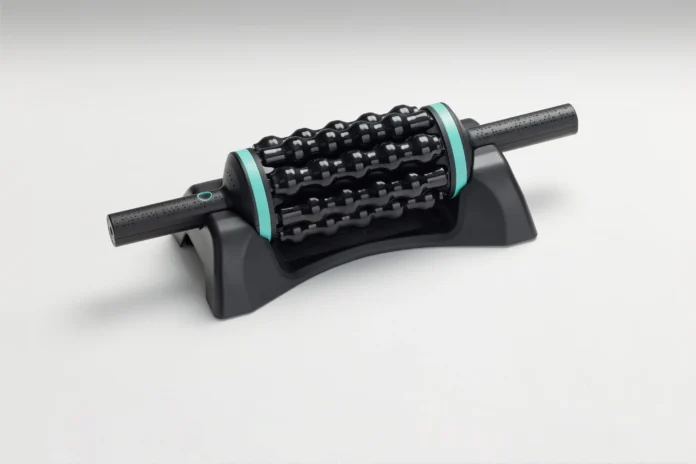
Runners built with dense, powerful lower legs know the distinct, persistent misery of calves that constantly feel like they are redlining and arches that throb after a punishing week of mileage. Traditional foam rollers and handheld massage guns often feel entirely inadequate for this kind of deep-seated tension, requiring an exhausting amount of manual pressure while failing to break through stubborn fascia, chronic plantar fasciitis, or high-volume calf knots.
Enter the Chirp RPM Rolling Percussive Massager.
By combining powerful motorized percussive therapy with a rolling cylinder design that locks into a dedicated foot cradle, Chirp approaches muscle recovery from an entirely different angle. After putting a unit through a full twelve months of high-mileage training blocks, relentless marathon builds, and daily lower-leg maintenance, here is a comprehensive, long-term review of how this device holds up over time for runners battling chronically tight calves and stubborn foot pain.
Key Specifications & Build Quality
- Design & Architecture: A motorized, cylindrical percussive massager designed for multi-surface rolling. It includes a specialized foot mount/cradle that anchors the device in place, allowing runners to roll their feet and lower legs hands-free.
- Functionality: Blends high-frequency percussive speed with a rolling surface to actively break up tight fascia, scar tissue, and adhesions across large muscle groups.
- Portability & Build: Sturdy, heavy-duty construction built to withstand body-weight pressure, featuring an intuitive power system and reliable battery longevity that easily handles weeks of daily post-run sessions.
The Runner’s Perspective: What Works Exceptionally Well After a Full Year
1. Total Lower-Leg and Calf Domination
For runners who carry dense, heavily worked lower legs that constantly threaten to lock up, standard massage guns require awkward angles and tiring wrist pressure. The Chirp RPM changes the game entirely. By placing the device on the floor and rolling the calves directly across it, the motorized percussion does the heavy lifting. Over a full year of testing, it proves exceptionally effective at driving deep into stubborn soleus and gastrocnemius knots, smoothing out fascia, and preventing that brick-wall feeling after long threshold runs.
2. The Game-Changing Foot Cradle for Plantar Relief
Plantar fasciitis is the silent enemy of high-mileage runners. One of the standout architectural features of the RPM is its mounting base. Dropping the device into the cradle transforms it into an automated foot roller. Instead of awkwardly chasing an arch with a frozen water bottle or a hard lacrosse ball, resting a bare foot right on the rolling percussive barrel delivers immediate, deep-tissue relief to tired arches and keeps inflammation at bay without requiring manual hand pressure.
3. Multi-Zone Precision Across Major Muscle Groups
Beyond the lower legs, a full annual training cycle reveals its utility across other hard-hit areas. Runners can easily target overworked hamstrings, glutes, and the lower back by utilizing either freehand rolling or body-weight pressure. It provides a level of muscle release that genuinely rivals a professional sports massage.
Where It Falls Short: The Cons & Limitations
Living with the Chirp RPM through a full annual training cycle also highlights a few realistic boundaries:
- Button Engagement Quirk: Freehand rolling requires holding down the power/speed button during certain configurations, which can feel a bit awkward when shifting angles on the fly (though utilizing the stationary foot cradle largely solves this for lower-leg and foot work).
- Acoustic Profile: Because it packs a powerful percussive motor into a dense rolling cylinder, it is not a silent device. It produces a distinct mechanical hum when running at higher speeds, which is worth keeping in mind if you recovery-roll late at night while family members are sleeping.
- Investment and Storage: It is a dedicated piece of recovery hardware that takes up floor space in a gear room or closet, and premium percussive tech always carries a financial investment.
The Verdict: Is the Chirp RPM Worth It After a Year?
After twelve months of heavy rotation through brutal training blocks, the Chirp RPM has proven itself to be an elite recovery tool for endurance runners. For anyone dealing with chronically tight, heavy calves or nagging plantar fascia inflammation, the hands-free cradle design and deep percussive rolling action offer unmatched relief.
Bottom Line: If you are tired of wearing out your hands trying to massage dense lower legs with traditional handheld guns, the Chirp RPM delivers automated, deep-tissue muscle release that keeps high-mileage runners healthy over the long haul.
What is your go-to tool for managing tight calves and foot pain during peak training? Drop your thoughts in the comments below!