

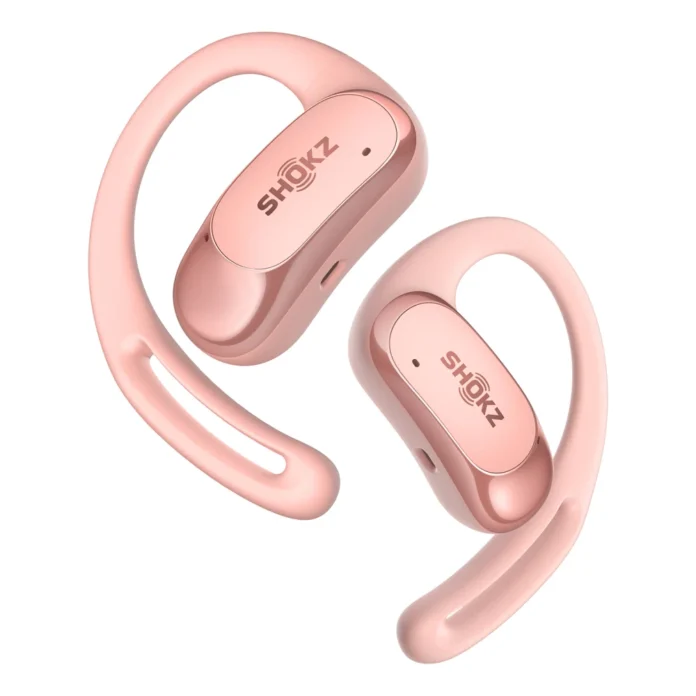
If you log serious miles outdoors—whether you are weaving through bustling city streets, tackling local park paths, or heading out for a long weekend training block—staying aware of your surroundings is non-negotiable. For years, runners faced a frustrating dilemma: either deal with traditional in-ear buds that seal off your ear canal (and isolate you from oncoming traffic, cyclists, and fellow pedestrians) or switch to legacy bone-conduction headphones that compromise heavily on sound richness. Enter the Shokz OpenFit Air.
Retailing between $90 and $120 USD (with promotional discounts frequently popping up at major retailers like Best Buy), these open-ear, air-conduction wireless earbuds promise a secure, featherlight fit and an unblocked ear canal. After putting them through a full year of rigorous testing blocks, rainy long runs, sweaty gym sessions, and daily training routines, here is my comprehensive, long-term runner’s take on how the OpenFit Air performs over time.
Key Specifications & Build Quality
- Price Point: Typically retails around $90 to $120 USD, offering a more accessible entry point compared to many premium sport earbuds.
- Design & Weight: Each earbud tips the scales at a mere 8.7 to 9 grams, making them feel virtually weightless during extended efforts.
- Earhook Architecture: Built with an ultra-fine 0.75mm Nitinol (Ni-Ti) memory alloy frame wrapped in a smooth, soft-touch silicone finish. The teardrop cross-section is explicitly engineered to relieve pressure and comfortably accommodate running hats and sunglasses.
- Durability: Carries an IP54 water-resistance rating, meaning they easily shrug off heavy sweat and unexpected rain showers (though keep in mind the charging case itself is not waterproof).
- Battery Performance: Delivers up to 6 hours of continuous playback on a single charge, expanding to a total of 28 hours using the compact charging case. A rapid 10-minute quick charge pumps in roughly 2 hours of extra juice.
The Runner’s Perspective: What Works Exceptionally Well After a Full Year
1. Long-Term Fit and Stability for Bouncy Runs
One of the most common pain points with open-ear designs is whether the grip holds up over months of high-mileage use. Unlike the original OpenFit model, the OpenFit Air features a refined shape that runners generally find significantly more stable. The flexible Ni-Ti memory alloy earhooks continue to grip the ear gently yet securely. Over twelve months of testing—even while wearing running sunglasses and a cap through varying weather—the earbuds have stayed locked in place without losing their tension, pinching, or creating hot spots.
2. Uncompromised Situational Awareness
For road runners, safety is everything. Because the OpenFit Air uses an air-conduction design that rests just outside your ear canal rather than jamming inside it, your ears remain entirely unblocked. You can clearly hear approaching traffic, cyclists calling out to pass, and your running partners chatting beside you. After a year of relying on them across busy routes, that natural situational awareness remains the single biggest reason to choose them over traditional closed buds.
3. Richer Audio Than Traditional Bone Conduction
If you have previously used classic bone-conduction headphones, you know the sound can sometimes feel a bit tinny or hollow. Powered by Shokz DirectPitch technology and custom dynamic drivers alongside OpenBass Air algorithms, the OpenFit Air delivers surprisingly punchy bass and clean mid-to-high frequencies. Via the companion Shokz app, you can easily toggle between preset and custom EQ modes to tailor your sound profile.
Where It Falls Short: The Cons & Limitations
No piece of running gear is entirely flawless. Living with the OpenFit Air through a full twelve-month training cycle highlights a few trade-offs to keep in mind:
- Audio Compromises in Loud Environments: Because these earbuds do not seal your ear canal, physics takes over when you encounter heavy city traffic or roaring construction zones. Bass depth and overall fidelity drop significantly in noisy environments compared to traditional active noise-canceling in-ear buds.
- Sluggish Touch Controls: The earbuds rely on capacitive touch panels to manage playback and calls. When you’re running at a fast pace, sweating heavily, or wearing running gloves, these touch controls can occasionally feel sluggish or frustratingly difficult to tap accurately.
- No Neckband Design: Unlike traditional Shokz bone-conduction models (which feature a continuous wraparound band that lets you slide the headset off to rest comfortably around your neck when you stop to chat or cross a busy street), these are truly wireless individual earbuds. If you take them off mid-run, you’ll need to stash them safely in a pocket or pouch.
The Verdict: Are the Shokz OpenFit Air Worth It After a Year?
After a full year of logging miles with them, it is clear that for runners who prioritize safety, absolute comfort, and hate the plugged-up feeling of traditional in-ear monitors, the Shokz OpenFit Air is a stellar training companion.
At a price point hovering around $90 to $120, they deliver a secure, glasses-friendly fit, impressive long-term durability, and a much richer audio profile than legacy bone-conduction sets. While they won’t isolate you from a screaming city bus, they keep you safe, comfortable, and motivated through every single training block.
Bottom Line: If you want open-ear freedom without sacrificing sound quality on your long runs, the OpenFit Air proves its value over the long haul.