Six days. That’s all it took for the Detroit Free Press Marathon to sell out.
Both the full marathon and the International Half Marathon reached capacity in record time, marking the fastest sellout in race history and the third consecutive year the event has filled. For runners hoping to cross the Ambassador Bridge at sunrise and race through two countries in a single morning, registration closed almost immediately.
To understand the surge in demand—and what options exist for runners who missed out—Marathon Journal spoke with Detroit Free Press Vice President and Race Director Aaron Velthoven.
Why Demand Is So High
Velthoven credits the growth of long-distance running over the past five years but emphasizes Detroit’s unique appeal.
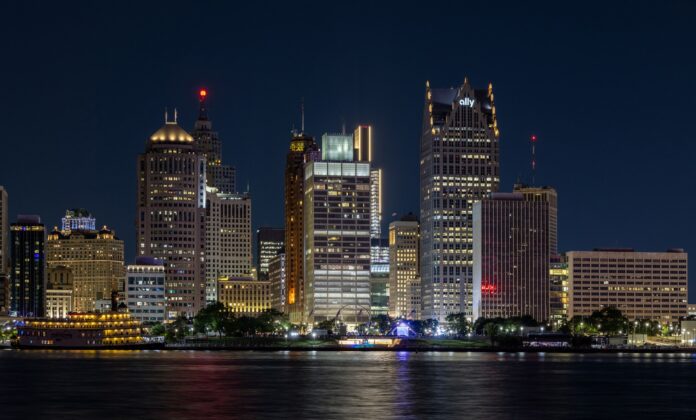
“We’re a very unique race experience, with two international crossings,” he said. “The cities of Detroit and Windsor provide a tremendous amount of crowd support which has continued to elevate our race. Everyone that comes to Detroit for our race is amazed by our community; our energy—Detroit is an amazing city to run.”
The combination of national running trends and the city’s energy has turned Detroit into a must-run destination.
Recognition Boosts Visibility
The race’s profile received a further boost when USA TODAY named it the Best Marathon in the U.S.
“Being awarded the Best Marathon in the U.S. has been a game-changer,” Velthoven said. “It highlights what makes us special—the only marathon in North America with two border crossings—and amplifies our appeal nationwide and internationally. This honor belongs to our community, stakeholders, and participants who turn the race into a world-class celebration.”
Crossing Borders: The Core of Detroit’s Identity
Both the full marathon and International Half cross into Canada via the Ambassador Bridge before returning through the Detroit–Windsor Tunnel.
“The international route is core to our identity,” Velthoven said. “Runners love starting in Detroit, crossing the Ambassador Bridge at sunrise, and tackling the Detroit–Windsor Tunnel’s international underwater mile. It’s what sets us apart as North America’s largest cross-border road race.”
Maintaining a World-Class Experience
With sellouts, maintaining quality is paramount.
“Our goal isn’t to be the biggest marathon—it’s to be the best,” Velthoven said.
The race has focused on course management, participant support, and sustainability—it was the first major event in Detroit to achieve net-zero waste three years ago. Recent enhancements include an elite field and expanded Detroit Public Schools community programs, plus thousands of volunteers ensuring the weekend runs smoothly.
Listening to Runners
Feedback from past participants has shaped improvements—from aid stations to start waves, sustainability initiatives, and youth programming.
“That input helps us evolve while staying true to our roots,” Velthoven said. “It ensures the event remains efficient, inclusive, and welcoming, even as demand grows.”
How Runners Can Still Get In
For runners who missed the initial registration window, there are still a few pathways to the starting line:
Waitlists: Lists for both races open on January 14 at 12:00 p.m. EST.
Deferral Spots: Open spots from deferrals will be offered to waitlisted participants.
Official Deferrals: Registered runners unable to run may defer entry for one year via the registration platform through October 8.
Economic and Cultural Impact
The sellout also benefits Detroit and Windsor. Last year, race weekend generated $40 million in economic impact through tourism, hotels, and visitor spending.
“Culturally, it showcases our region’s resilience and vibrancy,” Velthoven said. “Events like this foster pride, support local businesses, and inspire youth through programs like our Kids Marathon. It’s more than a race—it’s a celebration of community.”
Looking Ahead
This year’s sellout is the third in a row and the fastest ever. Capacity expanded to 30,000 participants across the weekend, but growth will remain measured.
“If we can grow capacity and keep quality high, we’ll consider it,” Velthoven said. “But we’ll lead with quality, always.”
What This Sellout Means
In Velthoven’s words:
“This record sellout represents the unmatched spirit of our bi-national community, where runners from around the world come together to celebrate unity, perseverance, and the thrill of crossing borders—both literal and personal—in one of the most iconic marathons anywhere.”
For more insights and professional updates, you can follow John Sparks on LinkedIn.