

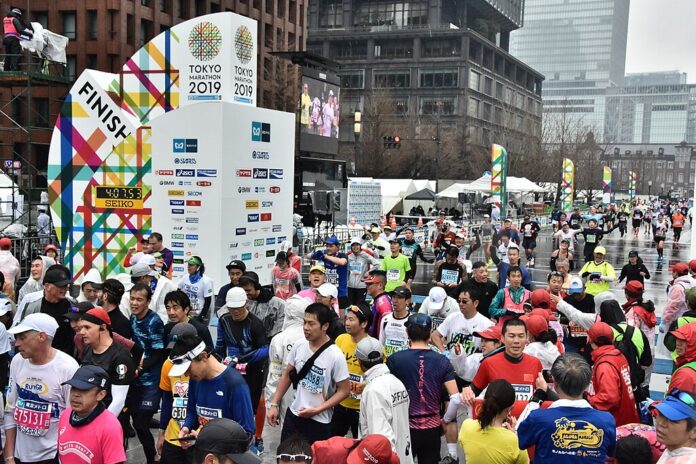
The Tokyo Marathon is a masterpiece of urban planning and high-energy racing. But for the uninitiated, navigating Japan’s capital can be as challenging as the 26.2 miles itself. Success in Tokyo requires a blend of physical grit and logistical precision.
From high-tech payment “hacks” to the strict reality of “Gun Time,” this is your definitive guide to the 2026 Tokyo Marathon.
1. The Digital Survival Kit: Payments and Language
Japan is a land of contradictions; you can buy a hot meal from a robot, but many of the best local ramen shops still only accept cash or IC cards.
The Suica Card “Wallet” Hack
My number one regret from my first trip was not setting up a Suica card immediately. A Suica is an “IC card” (rechargeable transit card) used for subways, buses, and even vending machines or small restaurants.
- The Hack: Do not wait to buy a physical card or fiddle with a standalone app. Open your Apple Wallet, hit the plus (+) icon, select “Transit Card,” and add a Suica card.
- Why it Matters: You can load it using the credit card already on your phone. When you’re at a “Cash Only” ramen shop or a confusing ticket kiosk, you can often just tap your phone. It removes the stress of handling yen when you’re tired and jet-lagged.
Overcoming the Language Barrier
While many signs are in English, critical details—like ATM receipts or specific menu items—often are not.
- The Tool: Use the Google App (Google Lens). The “Translate” camera feature is a lifesaver. Simply hold your camera over Japanese text, and it overlays the English translation on your screen. This tool turned my panic over a Japanese-only ATM receipt into a manageable situation.
2. The Expo: High-Stakes Packet Pick-Up
The Tokyo Marathon EXPO 2026 is held at the Tokyo Big Sight (South Exhibition Halls) from February 26th to 28th.
- Packet Pick-Up is Mandatory: You must pick up your bib in person. Proxy pick-up is strictly forbidden.
- The Atmosphere: Expect “Black Friday” energy. Gear—especially official ASICS apparel—sells out incredibly fast. If you want a specific size or limited-edition item, go on Thursday morning.
- Finisher Apparel: Note that finisher t-shirts are typically pre-order only during registration. If you didn’t order one, you likely won’t find it for sale at the Expo. However, every finisher receives the iconic Tokyo Finisher Poncho—a high-quality, hooded robe—at the finish line.
3. Race Day Logistics: The Shinjuku Start
The race begins at the Tokyo Metropolitan Government Building in Shinjuku.
Strict Security Deadlines
Tokyo is famously punctual. If you miss these windows, your race ends before it begins:
- Security Gates Close: 8:45 AM
- Coral Entry Deadline: 8:55 AM
- Main Start: 9:10 AM
The 250ml Liquid Rule
For security reasons, you are strictly prohibited from bringing any liquid container larger than 250ml into the starting area.
- The Strategy: Visit a local Konbini (7-Eleven or Lawson) to find small jelly pouches or 200ml water bottles. Anything larger will be confiscated at the security gate.
Trash and Etiquette
Littering is a massive social taboo in Japan. Unlike US races where people discard layers in the street, Tokyo expects you to use designated bins or keep your trash with you. Volunteers often hold trash bags, but they are fewer and farther between than you’d expect.
4. The Course: Fast, Flat, and “Sweaty”
The course is a “net-downhill” and incredibly flat, making it a prime PR destination.
- Elevation: The first 5 miles (8km) feature a gentle 40-meter descent. It’s easy to get carried away here—save your legs for the flat stretches later.
- Pocari Sweat: This is the official electrolyte drink on course. It is light and refreshing, but the name can be off-putting. Buy a bottle when you arrive to test it before race day.
- The Restroom Trap: Restrooms are often off-course. You will see volunteers holding signs indicating a toilet is 200m–500m away from the path. This can add significant time to your race, so plan your hydration and breaks accordingly.
5. The “Gun Time” Reality
This is the most critical strategic point. The 7-hour time limit is based on Gun Time (9:10 AM), not your Chip Time.
- The Danger: If it takes you 30 minutes to cross the start line, you only have 6 hours and 30 minutes to finish.
- Cutoff Checkpoints: There are 8-9 cutoff gates throughout the city. If you fall behind the pace for these gates, you will be pulled from the course and put on a sweep bus. Build a “buffer” in the first half of the race so you aren’t stressing about the sweepers in the final miles.
6. Where to Stay: Shinjuku vs. Tokyo Station
- Shinjuku (Start Area): Perfect for a stress-free morning. You can walk to the start, avoiding the crowded morning trains.
- Tokyo Station/Ginza (Finish Area): My personal recommendation. After running 26.2 miles, the last thing you want is a 45-minute subway ride. Being near the finish line (Gyoko-dori Avenue) allows you to get into a hot shower immediately.
- Recovery Packages: Look for hotels like YOTEL Tokyo Ginza, which often offer runner-specific packages including late checkout (1:00 PM) and recovery gear rentals.
7. The Ultimate 2026 Tokyo Marathon Packing List
Ensure you have these essentials in your carry-on to avoid any race-week disasters.
Required Documentation
- [ ] Passport: Required for packet pick-up ID verification.
- [ ] Bib Confirmation: Printed or available on the “My Entry” smartphone portal.
- [ ] Medical Certificate/Checklist: Complete the mandatory medical form in the Runner Handbook.
Tech & Finance
- [ ] Suica Card: Set up in your Apple or Google Wallet before landing.
- [ ] Google Translate App: With the “Japanese” language pack downloaded for offline use.
- [ ] Portable Power Bank: Your phone will drain quickly using navigation and translation apps.
Race Day Gear
- [ ] Worn-In Shoes: Never wear new shoes on race day.
- [ ] Race Kit: Shorts, singlet, socks, and sports bra (if applicable).
- [ ] Gels/Nutrition: Don’t rely solely on course nutrition. Pack your familiar gels.
- [ ] Anti-Chafe Balm: Essential for the humidity of Tokyo.
- [ ] Disposable Layers: A light “throwaway” jacket for the wait in the coral (remember to toss it only in designated bins!).
Logistics & Comfort
- [ ] Small Water Bottle (<250ml): For the starting coral.
- [ ] Pocket Tissues/Wet Wipes: Helpful for off-course restroom stops.
- [ ] Compression Socks: For the long flight and post-race recovery.
- [ ] Cash (Yen): For the rare occasions where Suica/Credit isn’t accepted.
Ganbatte! Enjoy the incredible “Omotenashi” (Japanese hospitality) and run your best race yet.