
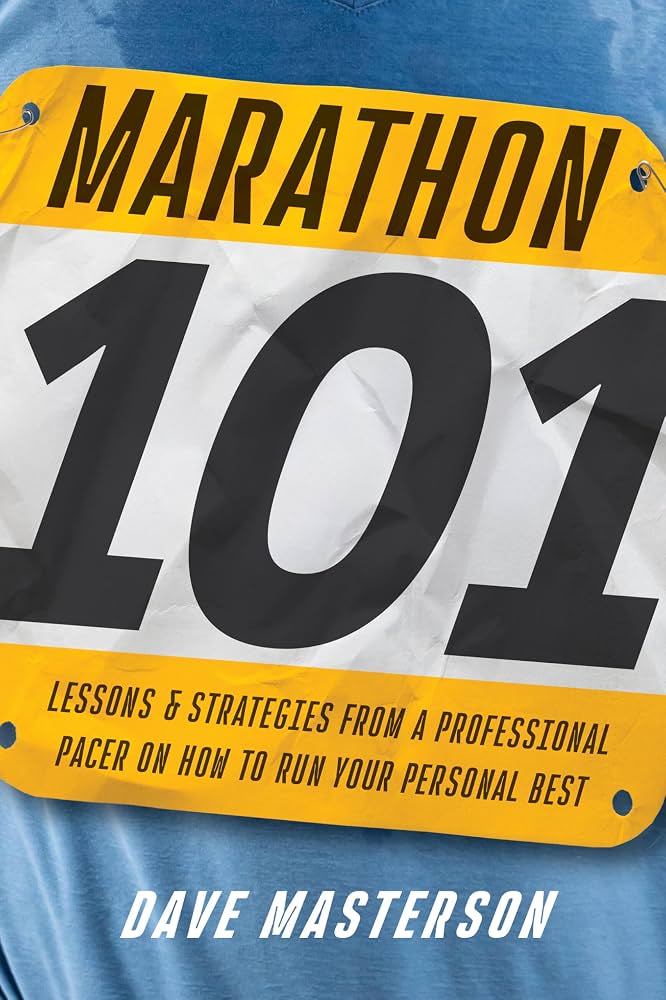
Whether you are stepping up to the starting line for your very first 26.2 or chasing a long-sought personal best, executing a successful marathon requires far more than just logging weekly mileage in a training diary. It demands intentional race-day strategy, disciplined pacing, and a proven game plan. We recently sat down with RRCA Certified Running Coach, Abbott World Marathon Majors 6-Star Finisher, and veteran pacer Dave Masterson to discuss his book, “Marathon 101″: Lessons and Strategies from a Professional Pacer on How to Run Your Personal Best (VeloPress).
Having paced and finished over 70 marathons, Masterson brings a front-row perspective to the common mental hurdles, gear mistakes, and pacing traps runners face on race day. Here is an in-depth look at his background, core pacing philosophies, key fueling strategies, and practical advice for race day.
From Course Tour Guide to “Legal Performance Enhancer”
Masterson’s journey into race pacing began over 14 years ago at his hometown Palm Beach Marathon. Invited by a friend to join the pace team, he initially stepped into the role as a local course guide to help visiting runners navigate the route.
“When you get to run the race with the athlete, that’s a big difference… You’re half distracting them by keeping them going, and the other half is motivating them and keeping them informed.” — Dave Masterson
Over a decade of standing in starting corrals taught Masterson that while many runners arrive with ambitious goals, few possess the tactical framework to execute them once physical fatigue sets in. He often observes runners choosing pace groups that don’t match their actual training preparation, hoping the pacer will pull them through.
While some runners inevitably drop off as the miles add up, Masterson views late-stage pacing as a rescue mission—scooping up runners who went out too fast early on and reigniting their motivation to hit their target finish time. He half-jokingly refers to running with an experienced pacer as a “legal performance-enhancing tool” allowed on the course.
Filling the Gap: Why Marathon 101 Was Written
With dozens of running books filling bookstore shelves, Masterson set out to fill a specific gap: providing a practical “bag of tricks” that shortcuts years of trial and error.
The book’s title, Marathon 101, reflects a foundational approach. Just as an introductory college course teaches core principles before advanced application, Marathon 101 covers the essential mechanics of race execution that scale from first-timers trying to finish to veteran marathoners aiming for a PR. Throughout the book, key takeaways are highlighted in distinct “Pacer’s Intent” callout blocks, designed to give readers quick, actionable summaries of each core concept.
Blueprint Strategies from the Book
1. Energy Management: “Be a Prius Early, Save the Ferrari for the End”
The foundational thesis of Marathon 101 centers on strict energy conservation. Masterson reminds runners that no medals are handed out at mile 8 or mile 14.
- Miles 1–18 (The Prius Phase): Focus on maximum efficiency, low effort, and emotional restraint. Run the early miles with absolute ease to preserve glycogen and delay neuromuscular fatigue.
- Miles 19–26.2 (The Ferrari Phase): Once late-stage physical fatigue hits, tap into your remaining power to push through to the finish line.
2. Even Energy Displacement vs. Surging
As a pacer, Masterson advocates for even effort rather than aggressive speed surges. On hilly courses, this means adjusting pace to maintain a steady level of energy output rather than forcing a rigid splits clock. Keeping effort smooth prevents early glycogen depletion and protects the legs for the final 10K.
3. Fueling as a Trainable System
Masterson aligns his recommendations with modern endurance research, emphasizing that high carbohydrate intake is vital for late-race performance.
- Gut Training: Just as you condition your legs, you must train your gastrointestinal system during long training runs to process 30g to 60g+ of carbohydrates per hour.
- Brain Protection: Maintaining a steady supply of carbohydrates delays the central nervous system signals that tell your brain to slow your pace down when glycogen reserves drop.
4. Bypassing Starting-Line Chaos
One of Masterson’s practical tricks to save physical and mental energy early on is carrying a disposable hydration bottle for the first few water stops. Early aid stations are notoriously congested, with runners crossing paths or stopping abruptly. Bringing your own fluid for the opening miles lets you bypass the initial mob, maintain your rhythm, and settle into pace cleanly.
5. Training for Cumulative Fatigue
Drawing on methodologies like the Hansons Marathon Method, Masterson advocates for training on tired legs. By structuring workouts around cumulative fatigue, you teach your mind and body how to operate efficiently during the grueling final eight miles of the race.
6. Mental Readiness & Self-Belief
Drawing on his background racing BMX in the 1980s, Masterson emphasizes that mental game often separates performance when physical gear and training are equal. He advises runners to replace self-doubt with intentional mantras and curated quotes from coaches, leaders, and elite athletes to keep the mind resilient during dark patches on the course.
7. Recovery Starts Before the Finish Line
Recovery isn’t just an afterthought; it’s the bridge to your next training block or race. Masterson highlights two core recovery tactics:
- The Late-Race Gel: Taking a gel at mile 24—even if you feel you don’t strictly need it for the final two miles—jumpstarts glycogen replenishment for the days following the race.
- Legs-Up-the-Wall Routine: Elevating your legs against a wall post-run relies on gravity to drain pooled fluids from the lower extremities, promoting fresh circulation and faster muscular recovery.
Where to Find Marathon 101 & Podcast Episode
Listen to the Full Interview: This feature is also available as a full audio conversation on the Marathon Running Podcast. Tune in to hear Dave Masterson dive deeper into his pacing stories, race-day recovery protocols, and insights from pacing across the country. Search for Marathon Running Podcast on Apple Podcasts, Spotify, or stream directly on MarathonJournal.com.