
For many runners, the excitement of race day is unmatched. The weeks of marathon training, the anticipation, and the adrenaline on course create a euphoric high. But what happens after the finish line fades into memory? For countless runners, the post-marathon blues can hit hard — leaving both body and mind in a surprising slump.
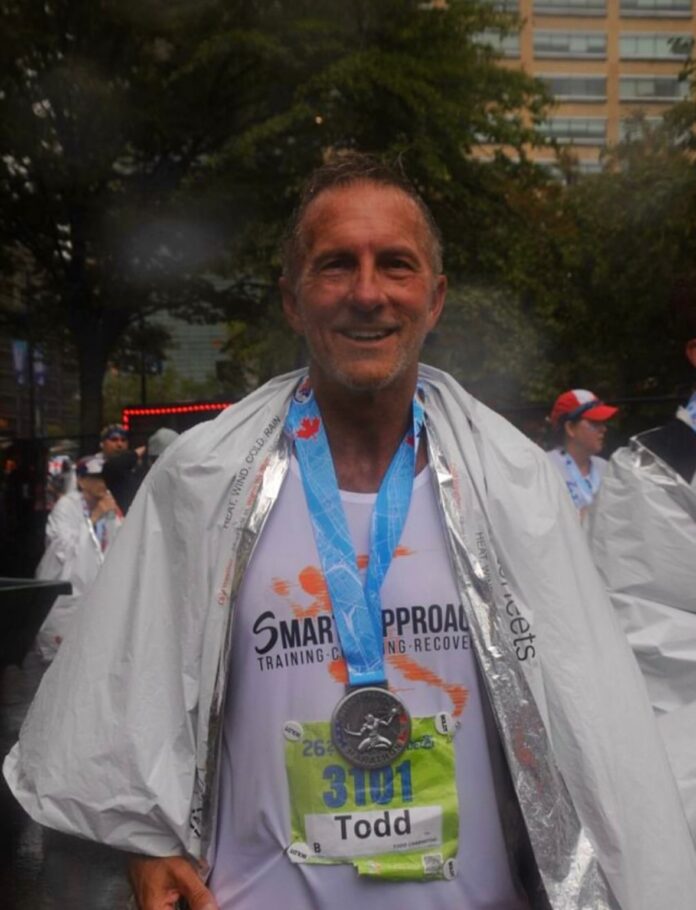
Coach Todd, founder of Smart Approach Training, has witnessed this firsthand — with his athletes and in his own marathon experience. “You have the high leading up to the race, and then suddenly, the day after, you’re sore, the weather’s colder, and you’re left with this quieter stillness. It’s almost like, ‘Now what?’”
Why Runners Feel Off After a Marathon
Post-marathon letdowns are both physiological and mental. Physically, marathon training stresses muscles, tendons, organs, and the central nervous system. “During training, your body is in almost a fight-or-flight state for weeks,” Todd explains. The result: a hormonal cocktail of endorphins, dopamine, and serotonin that keeps runners motivated.
When the race ends, however, the parasympathetic nervous system — the body’s “rest and digest” mode — kicks in. This chemical reset creates the familiar post-race slump. Mentally, the effect is equally strong. “Running becomes part of your identity. You plan your days, your meals, your energy around it. Once it’s over, everything feels quieter — and that’s normal,” Todd adds.
Rest Doesn’t Mean Regression
A key lesson for runners: rest is a reset, not a setback. Downtime isn’t about complete inactivity. Gentle walks, bike rides, or light elliptical sessions allow the body to heal while keeping the rhythm of movement intact. Most runners need four to six weeks for full physical recovery after a marathon training cycle.
“Rest can mean movement. Recovery is about letting your body heal without adding stress,” — Coach Todd
Overcoming Guilt and Anxiety About Time Off
Many runners feel guilty taking time off, fearing they’ll lose fitness or momentum. Todd explains that running’s endorphins and sense of accomplishment create a natural dependency. “It’s essential to cultivate other outlets too — strength training, cycling, walking — so your routine isn’t all-or-nothing.”
Post-Marathon Recovery Strategies That Work
Coach Todd shares practical tips for managing post-marathon and off-season blues:
-
Maintain Structure: Even a low-stress routine — a morning walk or light gym session — helps preserve rhythm.
-
Set Mini Goals: Short-term objectives like a 5K or Turkey Trot keep motivation alive.
-
Reflect on Achievements: Celebrate milestones, from marathon finishes to personal bests in shorter races.
-
Cross-Train Smartly: Address weaknesses, build strength, and maintain consistency without the intensity of marathon prep.
Why Winter Training Matters
For runners in colder climates, winter training is crucial. Todd emphasizes that consistency outweighs intensity during off-season months. “Every mile goes into your aerobic bank account. The off-season isn’t about doing nothing; it’s about maintaining fitness and working on weaknesses so you’re ahead when the next training block begins.”
Planning for the Next Running Season
Recovery is also the perfect time to start thinking about future goals. Todd recommends letting the body heal, reflecting on achievements, and identifying what excites you for the next season. Whether it’s improving a 5K time or tackling another marathon, goal-setting after recovery helps bridge the gap from downtime back into training.
“It’s normal to feel down after a big race. The highs and lows are seasonal, like the weather. Embrace them, move intentionally, and focus on the next goal,” — Coach Todd
Building a Healthy Runner Mindset
The takeaway from Coach Todd: post-marathon blues and off-season funk are normal, and recovery is essential for growth. Accepting downtime, maintaining movement, and planning future goals foster resilience and long-term progress.
For runners seeking guidance, Coach Todd shares resources through his website, Smart Approach Training, and social media communities, including the “I Love to Run” Facebook group, where weekly tips and advice help runners navigate every stage of training.