
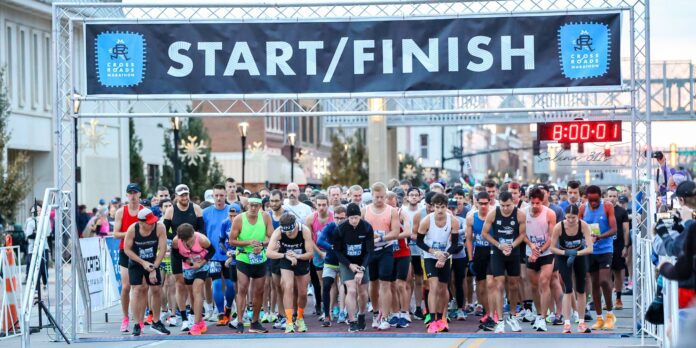
With its low-cost entry model, unusually flexible policies, and consistently high participant feedback, the Salina Crossroads Marathon is emerging as one of the most runner-friendly marathons in the United States. In an era when many races are climbing in price and tightening their rules, this central Kansas event stands out by putting runners—not revenue—at the center of every decision.
The Visionary Behind the Race: Daniel Craig’s Running Legacy
At the helm is Daniel Craig, a lifelong runner and nonprofit professional whose background in public health has shaped the marathon’s distinctive approach. Craig grew up near Gypsum, Kansas, and discovered running thanks to a perceptive sixth-grade teacher who encouraged him to try track after spotting his talent at a school field day. From high school cross country to collegiate competition at Pittsburg State University, and later elite road racing, Craig developed both speed and perspective: personal bests included a 2:29:46 marathon and a sub-15-minute 5K, yet it’s his work off the course that now defines his impact.
Professional Leadership and Community Focus
Professionally, Craig has spent over two decades in nonprofit leadership, currently serving as Cancer Outreach Coordinator at Tammy Walker Cancer Center. His responsibilities—grant writing, community events, public speaking, and fundraising—translate directly into the organizational skill and community focus required to run a marathon designed for people rather than profit.
Creating a USATF-Certified, Boston-Qualifying Event
The idea for the Salina Crossroads Marathon emerged organically. Craig and co-founder Chris Lehecka explored how to create a high-quality, USATF-certified, Boston-qualifying marathon that would highlight Salina while minimizing traffic disruptions. They assembled a diverse volunteer committee, including local runners, nonprofit professionals, and creative experts, to plan everything from course layout to post-race celebrations.
A Revolutionary Pricing Model: $1 Per Mile
Perhaps the most defining feature is the entry pricing model. Thanks to grants, sponsorships, and donations, 100% of operational costs are covered, and all race entry fees are donated to local youth sports programs. Early registrations were as low as $5, and today entries are priced at $1 per mile, with optional shirts and free flexibility to switch race distances or defer entry.
Dramatic Growth and Participant Success
The approach has driven dramatic growth: 817 participants from 31 states attended the first year, over 3,000 registered in year two, and nearly 3,800 finished in 2025, with more than 4,000 expected in 2026.
Why Runners Love the Salina Crossroads Marathon
Runners consistently cite the race’s affordability, logistical ease, and volunteer support as distinguishing features. More than 500 volunteers contribute to race weekend, creating an atmosphere that has earned a 4.8 out of 5 overall rating on post-race surveys. Local touches—including downtown accessibility and signature foods like Cozy Inn burgers—also set the event apart.
A Runner-First Philosophy
Craig attributes the race’s success to collaboration, humility, and a runner-first perspective. Lessons from the Boston Marathon and guidance from experienced race directors nationwide have informed everything from adaptive athlete divisions to post-race logistics. “Every decision is filtered through the question: How would this feel as a runner?” he explains.
The Future of Salina Crossroads
For Craig, the ultimate measure of success isn’t the number of participants. It’s the runner completing their first marathon, the family discovering Salina for the first time, and the sense of pride the event fosters in the local community. In a sport that can feel increasingly transactional, Salina Crossroads offers a reminder that when races are built by runners, for runners, everyone wins.
For more insights and professional updates, you can follow John Sparks on LinkedIn.