You’ve trained for months. You’ve pictured the finish line. But the best marathon runner experience begins long before race morning, with a course you understand, a trip that goes smoothly and a city that makes you feel welcome.
What makes a marathon unforgettable? It might be the crowd that carries you through the hardest miles, the volunteer who spots that you need encouragement, or the feeling of arriving at the start line calm and ready.
Those moments don’t happen by accident. They’re shaped by everything around race day: the information runners receive, the places they stay, the welcome they find in the host city and the support available from the moment they register.
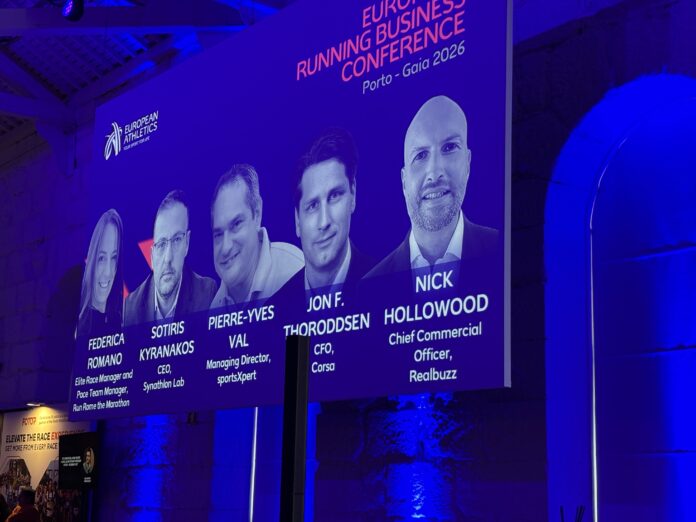
That was the focus of a panel discussion on race-organizer strategies for runner experience and growth. The panel included Federica Romano, Elite Race Manager and Pace Team Manager of RunRome; Sotiris Kyranakos, CEO of Synthalon Lab; Pierre-Yves Val, Managing Director of sportsXpert; Jon Thoroddsen, CFO of Corsa; and Nick Hollowood, Chief Commercial Officer of realbuzz.
Their conversation was aimed at race organizers, but it raised questions every runner can use when choosing an event. Does the race help you prepare? Will the travel and accommodation work for you? Will you feel supported, whether you’re chasing a personal best or simply hoping to cross the finish line?
The experience begins when you enter
Getting a place in a marathon is a milestone. Then the training begins, and so does the planning. If you’re travelling to a race, you may be preparing for an unfamiliar course, a new city and a packed weekend of logistics.
Kyranakos encouraged organizers to consider what happens after registration and before race day. “What happened between the time between the registration close and the day of the race?” he asked.
One possibility raised during the discussion was providing runners with helpful information about the route and its challenges, along with training advice from coaches or athletes who know the course. For runners, that kind of guidance can make it easier to prepare with confidence.
A course is more than a line on a map. Hills, turns, exposed stretches and the location of the start and finish can all shape how the day feels. Before you enter, look for a clear course map and useful details about what lies ahead. If you’ve already signed up, check the race website and event updates as your training progresses.
Not every event provides individualized coaching, and the panel discussed this as an opportunity for organizers rather than a standard service. Still, asking how well a race communicates with participants can tell you a lot about the experience it aims to deliver.
The right hotel can make race weekend easier
A destination marathon brings a second challenge: making the trip work around the race. You may need to collect your bib, get to the start early, and avoid spending the day before the race rushing around an unfamiliar city.
Kyranakos described hotels in Athens adapting to runners’ routines by offering early breakfast and information about places or routes to run. “The breakfast is starting from four o’clock in the morning,” he said.
That detail may sound small, but runners know how much race morning depends on routine. Knowing where you’ll eat, how you’ll reach the start and whether you can get a short run in without guesswork can make the weekend feel more manageable.
Val also encouraged organizers to consider accommodation as part of the runner experience. “You see the runners anyway need to sleep somewhere,” he said, making the case for organizers, hotels and local partners to work together.
The price of that stay matters, too. Val warned that accommodation costs can climb around major events, potentially putting the race out of reach for some participants. The entry fee is only one part of a marathon budget. Travel, lodging, meals and local transport can add up quickly.
Before booking, check the distance between your hotel and the start, your transport options and the breakfast schedule. Look closely at cancellation policies, especially if your race place or travel plans are not yet certain. If the event provides lodging information, compare it with other options and work out the full cost before committing.
A great crowd is part of the course
Ask runners what they remember about a marathon and many will talk about the people. Volunteers handing out water. Spectators calling their name. A local running club cheering as the miles get tough.
Romano spoke about the value of building on the people and groups already connected to a race, including pacers, volunteers and local running teams. “Find the potential, and try to turn it into something bigger,” she said. She described these groups as ambassadors for the event and its community.
For runners, that local support can transform a race. It can make an unfamiliar city feel welcoming and help the course feel alive. A strong atmosphere isn’t just a bonus around the edges of the event. For many participants, it becomes one of the memories they carry home.
Romano also shared her hope that Rome’s road marathon could one day have the spectator numbers of the sport’s biggest events. That ambition reflects something runners already know: a city that gets behind its race can make the whole experience feel special.
When choosing an event, think about the atmosphere you want. Do you want the energy of a huge city marathon, the intimacy of a smaller race or the chance to explore a new destination? There’s no single right answer. The best race is the one that fits your goals and gives you the kind of experience you’ll enjoy.
Your first start line doesn’t have to be 26.2 miles
The panel also discussed bringing younger people and newcomers into running. Kyranakos described a student night run that grew to attract thousands of participants. Many were taking part in their first 5K.
That’s a powerful reminder for anyone who thinks they need to be a marathoner to belong in the sport. A 5K can be a goal in its own right, a way to run with friends or a first step toward a longer distance. You don’t have to prove anything before signing up.
Kyranakos said organizers need to connect with young people through communities they already know. One example involved taking a 5K event to a motorsport venue, giving an existing fan community a new way to engage with running.
For new runners, the takeaway is to find the event that feels inviting, not the one that sounds most impressive. Shorter races and community runs can offer a friendly entry point. They can also be a great way for friends and family to join a marathon weekend, even if they aren’t ready to tackle the full distance.
Popular races reward early planning
Nick Hollowood said races are filling up faster, with more events using ballot systems. “Races are selling out quicker than ever,” he said.
If there’s a race you’re excited about, check the entry process early. Note when registration opens, find out whether you need to enter a ballot and keep track of deadlines. If you don’t get a place, having a second-choice event in mind can keep your plans moving.
Hollowood also discussed charity entries and fundraising as another possible route into popular events. The options vary from race to race, so check the details carefully, including any fundraising commitment.
He said runners are also travelling to discover new races and cities. That can turn a marathon into a bigger adventure, with the race at the heart of a weekend spent exploring, sharing the experience with family or meeting other runners.
Choose the race that fits your life
Before you sign up, ask yourself:
- Can I prepare for this course? Is the route information detailed enough to help me plan my training and race strategy?
- Can I manage the whole trip? Have I counted accommodation, transport, meals and the entry fee?
- Will race weekend feel straightforward? Do I know how I’ll collect my bib and get to the start?
- What kind of atmosphere do I want? A major-city spectacle, a close-knit community or a destination experience?
- What are my entry options? Is there a ballot, a charity place or another way to take part?
A marathon is about the miles, the challenge and the moment you reach the finish. But the story begins earlier, when you choose the race and imagine yourself there. Look for an event that helps you prepare, makes the practical details manageable and gives you a reason to feel part of the day.
That’s what can turn a race into a journey worth taking, and a finish line into a memory you’ll want to share.