

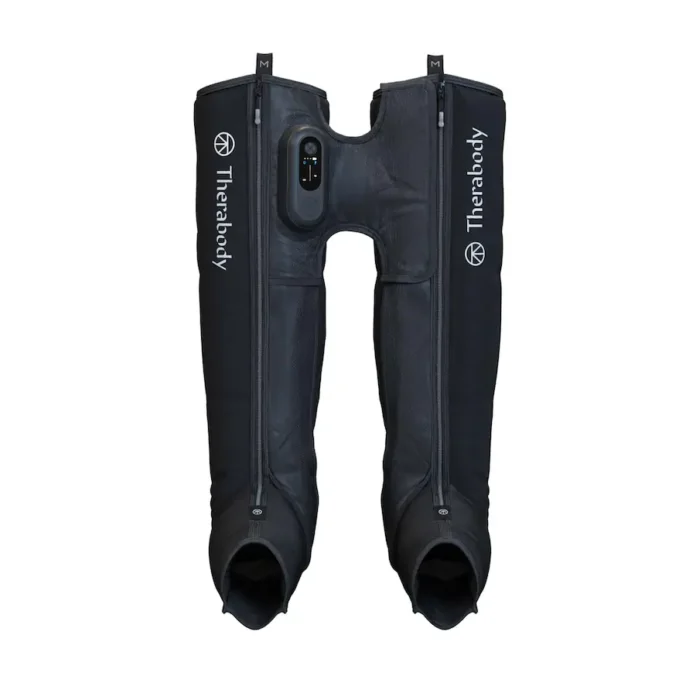
Every marathoner knows that special kind of heavy-legged misery that sets in roughly twelve hours after a punishing 20-miler or a brutal threshold session. For years, the post-run recovery ritual meant stretching, hydrating, foam rolling, and—if you were dedicated enough—dragging out a clunky, hospital-grade pneumatic compression system complete with a rat’s nest of external air hoses, tethered control units, and wall plugs that kept you locked to a single spot on the living room floor. Enter the Therabody JetBoots.
By completely ditching the external pumps and housing the entire system wirelessly inside the boots themselves, Therabody revolutionized how we flush out tired legs at home. After putting a pair through a full twelve months of high-mileage training blocks, peak marathon builds, and race-weekend travel, here is my comprehensive, long-term runner’s take on whether untethered compression is worth a spot in your gear locker—especially now that prices have settled significantly below their initial launch windows.
Key Specifications & Build Quality
- The Price Drop: While premium recovery tech originally debuted with steep, eye-watering price tags when it first hit the market in late 2024 and early 2025, models like the JetBoots Prime have settled into a much more accessible sweet spot, hovering around $549 USD today.
- Home Portability & Design: A completely cordless architecture with built-in pump systems housed right inside each boot. Weighing roughly 6 lbs total for a regular pair, they eliminate hoses entirely, letting you fold them up like a pair of pants and easily move them from your home office to the couch.
- Compression Technology: Built with proprietary TruGrade Technology to deliver safe, science-backed sequential pneumatic compression (progressing upward from the feet) across four overlapping chambers to maximize venous return.
- Battery Performance: Delivers up to 3 hours of continuous use on a single charge—easily covering a full week of daily post-run flushing sessions.
- Lining & Maintenance: Designed with a hygienic, non-porous interior lining that avoids hidden chamber flaps, making post-run wipe-downs remarkably quick and painless.
The Runner’s Perspective: What Works Exceptionally Well After a Full Year
1. Total Cordless Freedom Around the House
The single greatest victory after a full year of consistent use is the complete absence of clutter. Traditional compression rigs require a sprawling setup process near an outlet. With the JetBoots, you pull them out of the closet, step in, zip them up, and hit start. You can pace around your kitchen, reply to emails at your desk, or kick back on the living room couch completely untethered from a wall unit.
2. Noticeable Flush and Leg Turnaround
When you’re stacking 70-mile weeks, lower-leg fluid retention and dead-legged heaviness are constant enemies. The TruGrade sequential squeeze does an exceptional job of driving metabolic waste out of fatigued calves and quads. Slipping into them right after a hard long run leaves your legs noticeably lighter and fresher by the time your morning recovery jog rolls around.
3. Better Pricing and Daily Accessibility
Because the price has come down significantly from its initial rollout, cordless compression is no longer restricted exclusively to elite training camps or high-end physical therapy clinics. It remains a major investment, but the barrier to entry is far friendlier today than it was a year or two ago.
Where It Falls Short: The Cons & Limitations
Living with the JetBoots through a full annual training cycle also highlights a few realistic boundaries:
- The “Portability” Illusion for Travel: While marketing materials love to label them as ultra-portable, calling a 6-lb pair of electronic boots true travel gear is a bit of a stretch. Tossing them into a suitcase for a destination marathon eats up precious weight limits and packing space. If you choose to leave them at home to travel light, you run into a frustrating roadblock: you either have to cross your fingers and hunt down a pop-up recovery lounge at the race expo (which are frequently subject to long lines and wait times) or simply wait until you get back home to finally flush out your legs.
- The Recovery Reality Check: Compression boots are incredible tools for encouraging active circulation and short-term symptom relief, but they aren’t magic. They cannot out-supplement fundamental recovery pillars like sleep, high-quality nutrition, and proper hydration.
- Thermal Therapy Is Separate: These particular pneumatic boots rely strictly on active air compression. While built-in heat would certainly be nice, it’s missing from this model—though Therabody does offer separate, dedicated thermal recovery units if targeted heat therapy is a priority for your legs.
The Verdict: Are the Therabody JetBoots Worth It After a Year?
After twelve months of heavy rotation, the Therabody JetBoots have earned a permanent, respected spot in my post-run protocol. By eliminating the restrictive hoses and clumsy control bricks, Therabody made home compression practical enough to use every single day.
Bottom Line: If you want a seamless, hose-free way to accelerate post-run recovery, beat back calf fatigue, and keep your legs fresh through heavy mileage in your own living space, the freedom of wireless compression—especially at its current, more accessible price—is a game-changer over the long haul. Just leave them at home when you catch a flight to your next destination race.